
Resources
Here are links to the resources we think you’ll find useful before embarking on a course at Adam Fidler Academy. All resources are created by us and are based on our years of experience and knowledge.

You’re not called an Executive Assistant
Just because you support an Executive. That isn’t actually the right way of thinking of the EA role.
-
You can actually be an Executive Assistant and not work for an Executive. You might support a Head of Marketing, or Head of Operations. So, the view that the EA title derives solely from a boss’ status is quite old-fashioned and limiting in a modern world.
-
They might support someone who isn’t on the C-Suite, or someone who is a Senior Manager.
-
The reason you’re called an Executive Assistant is because of what’s expected and demanded of you. The word Executive often implies something better, or enhanced.

The (real) Role of the Executive Assistant
There is still too much debate, and confusion, on what the role of the Executive Assistant really is.
-
The EA is not a Secretary, PA, Executive PA or Administrator with a new title.
-
The EA is not someone who purely carries out administrative work, such as travel bookings, raising purchase orders, taking minutes, and other ‘processing’ tasks.
-
The EA is not someone who focuses solely – and I might say, obsessively – on diary management and scheduling.

Why you don’t need to be a Chief of Staff - just a damned good EA
I am not entirely sure what people think Executive Assistants do. The EA isn’t, and never was, solely mechanistic.
-
It’s important to show leaders, and those in the PA and EA role, an aspiration beyond Assistants carrying out purely administrative tasks.
-
I predicted the onset of technology and automation (AI and ChatGPT were not talked about then) would free up the Assistant’s time for them to carry out more value-adding work such as project management, and supporting strategic initiatives.
-
The future skill-set of a superb EA would not be simply around their level of technical skill (eg using Word and Excel) but more akin to management skill in regard to conceptional thinking, problem-solving and strategic insight.
How Executive Assistants should be future-orientating their roles
In my capacity as a thought-leader and educator, I’d like to give all EAs and PAs some tough love and sound advice.
-
My key message here is not new. I’ve been saying the same thing consistently for over 10 years, all originating with an article that went viral on social media, back in April 2016, entitled, ‘Why today’s EAs need to get more strategic’. Well, ten years on, my same views are more important than ever.
-
Description text goesThere has been much noise over social media about the impact of artificial intelligence, not only in the EA/PA space, but on the labour market in general. We must accept that AI and technology is, at pace, shaping the role of business support and will impact, most heavily, clerical and secretarial jobs (World Economic Forum, 2025) where many tasks will be automated. here
-
But, we’re not here to talk about secretaries. EAs and PAs may do ‘secretarial things’ – though that should not be their only remit. In fact, as I have said repeatedly, “No one ever got promoted by doing more PowerPoint,” and that might serve as a friendly reminder about the way that EAs and PAs should be recognised and the education they need if they are to remain future-orientated.

Every EA needs a Managerial Mindset
Here at Adam Fidler Academy, we strive to ensure that EAs think of themselves as managers.
-
If you’re thinking, “I am just the assistant”, then you will be treated accordingly. Your belief, or lack of belief, in the value you bring to your employer will be your outward manifestation, resulting in your behaviour.
-
Your behaviour reinforces the perception people have of you, and they respond accordingly. That’s why it’s so important that EAs change their minds about who, and what they are, and exhibit self-belief in all they do. I call this, the managerial mindset.
-
Your mindset and beliefs drive everything. If you come to work expecting the perfect boss (they don’t exist, by the way!), pondering on all your boss’ shortcomings then you are filling your mind with thoughts of precisely what you don’t want to see or experience.

Too many leaders spend too much time doing admin
In an organisation’s quest for efficiencies, too many leaders still seem to spend far too long doing admin.
-
In an organisation’s quest for efficiencies, and a lean operating model, with an endless pursuit of technology to drive competitiveness in a global economy, too many leaders still seem to spend far too long doing admin. This includes governance, processing approvals, entering data and transactional activities.
-
I know of a number of organisations where senior managers, and directors - who are part of the senior leadership team (SLT) - have no administrative support whatsoever and are expected to fly solo and operate as leaders. Are they really leaders? Or are they managers? Years ago, we had Senior Manager Teams - now we have Senior Leadership Teams.
-
Their job title may have changed from manager to leader, but their responsibilities and duties have actually become more operational and administrative. We have replaced value-adding work with volume-activity – which all creates the additional need to count, weigh and record, putting a huge burden on the leadership role.
This is a snapshot of the information and knowledge you will receive on our courses.
Our inspiration
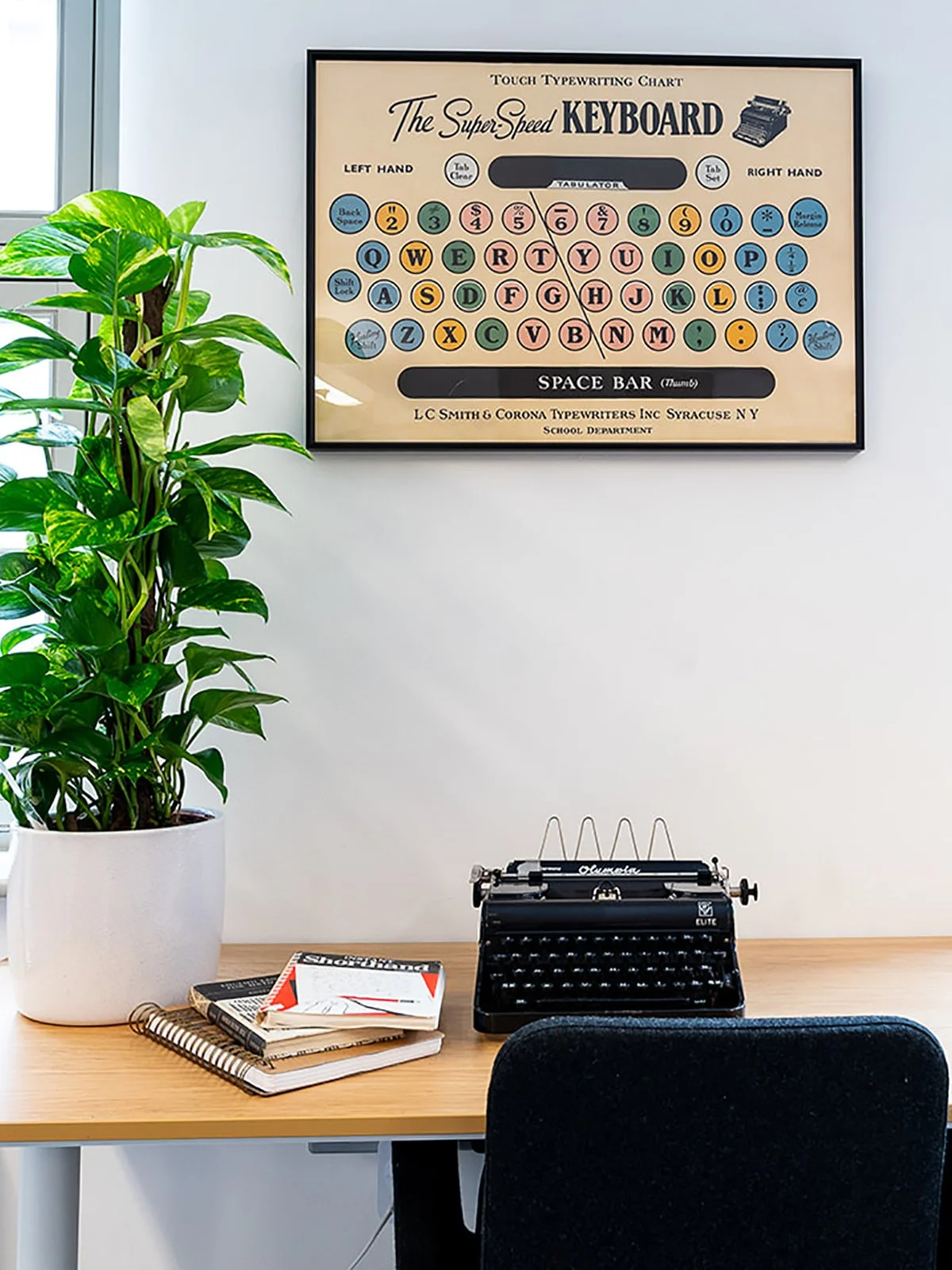
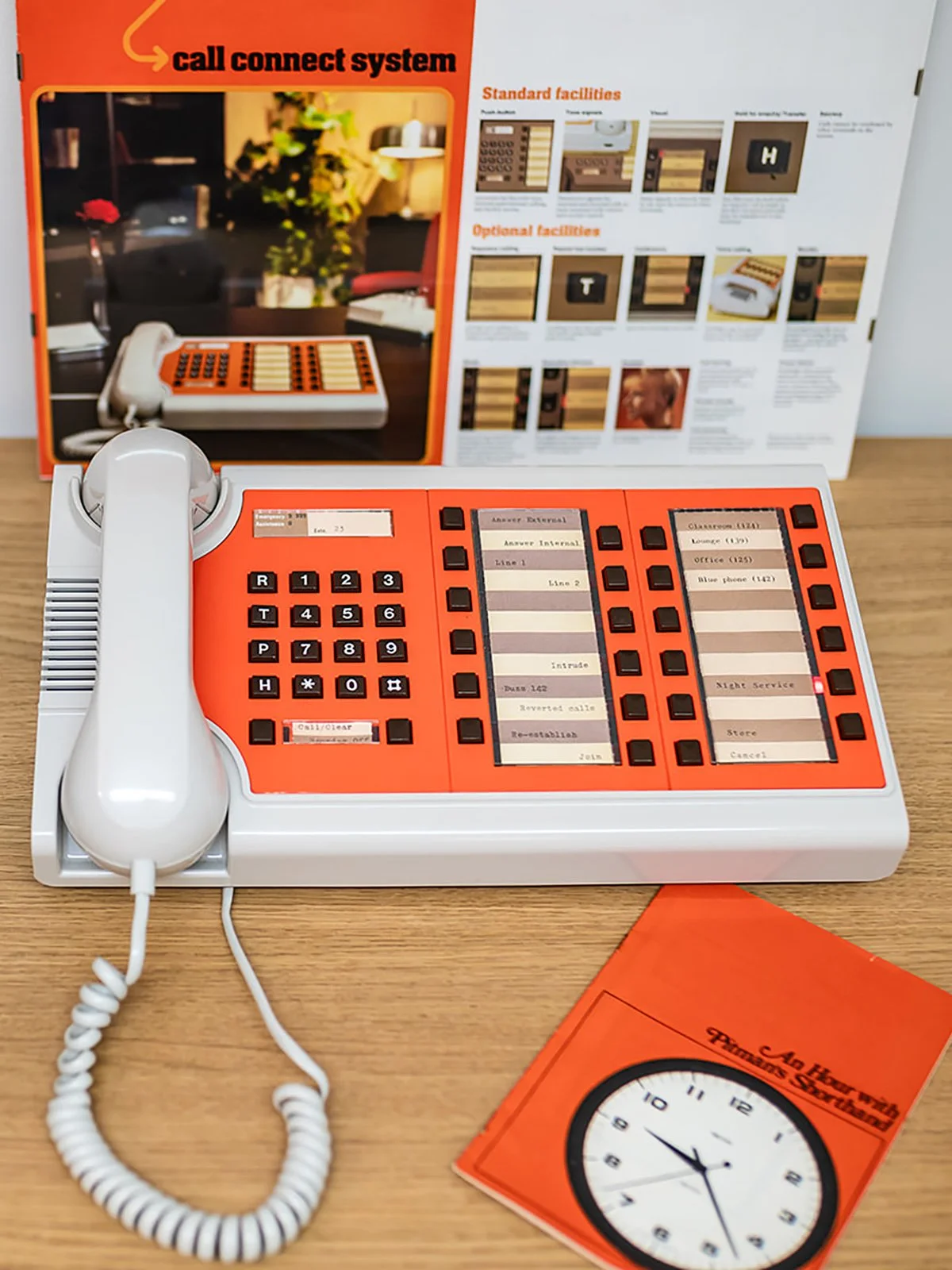
From best selling books to retro phones and typewriters, the inspiration in our learning studio keeps growing. This keeps our students inspired and interested in the knowledge we have to offer.